 Skip to content
Elder Physical Abuse in Philadelphia: What Families Need to Know
Elder physical abuse is one of the most serious — and most underreported — threats facing older adults in Philadelphia today.
Here is a quick overview of what it involves:
| Type of Elder Abuse | What It Looks Like |
|---|---|
| Physical abuse | Hitting, slapping, pushing, kicking, burning, improper restraints |
| Emotional/psychological abuse | Yelling, threats, isolation, humiliation |
| Financial exploitation | Theft, forged checks, unauthorized card use |
| Neglect or abandonment | Withholding food, medication, or basic care |
| Sexual abuse | Any unwanted sexual contact or exposure |
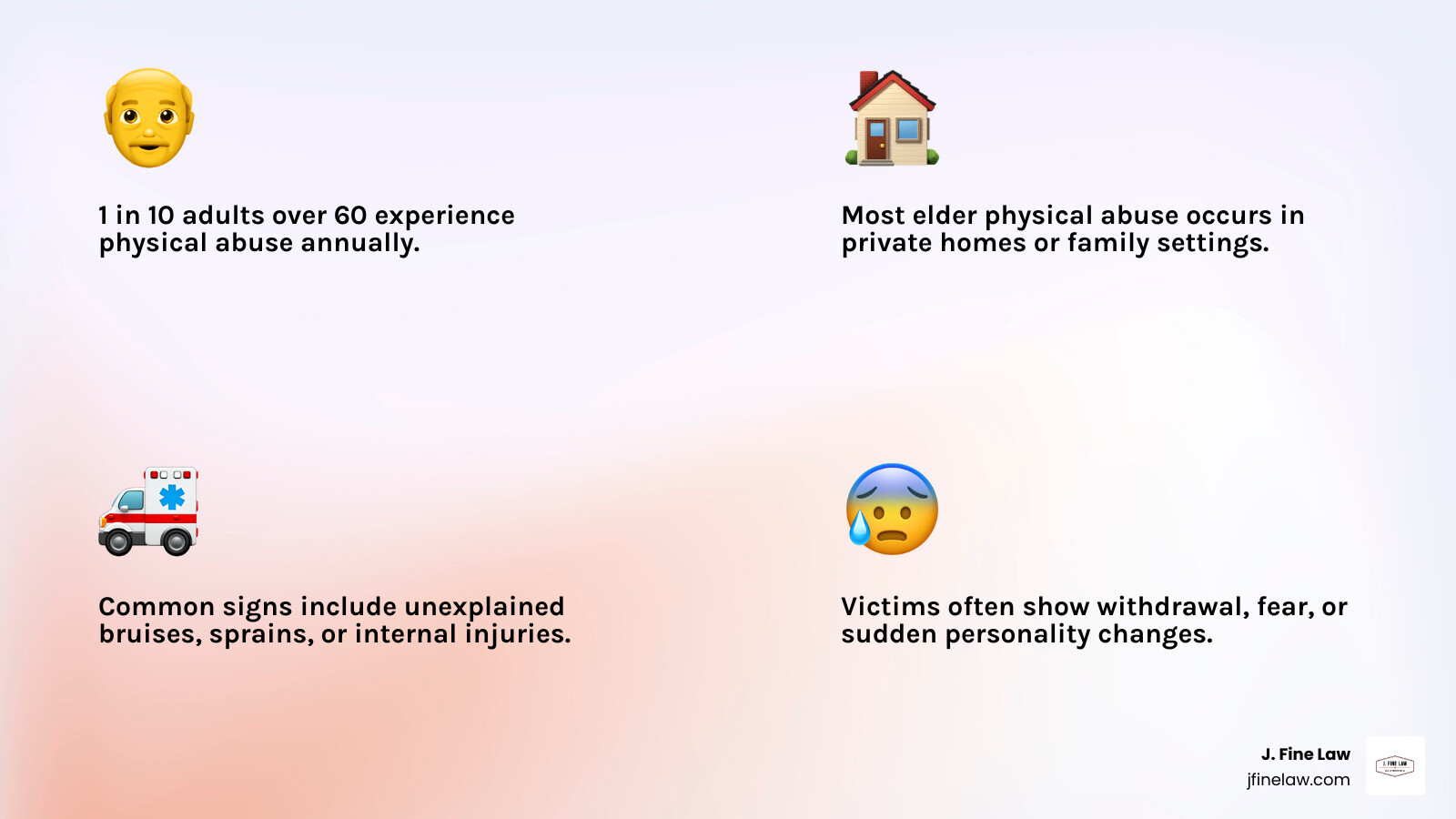
Elder physical abuse happens when someone intentionally causes bodily harm to an older adult — through hitting, pushing, restraining, or misusing medication. It affects roughly 1 in 10 adults over age 60 in the United States each year, and many cases go unreported because victims fear retaliation, feel ashamed, or depend on the person hurting them.
It can happen at home, in assisted living facilities, or in nursing homes across Philadelphia. Family members, paid caregivers, and facility staff can all be perpetrators.
If someone you love is showing unexplained injuries or sudden behavioral changes, that is reason enough to take a closer look.
I’m Jason Fine, a Philadelphia personal injury and nursing home abuse attorney with over 25 years of experience holding negligent facilities and abusive caregivers accountable for elder physical abuse. If you suspect a loved one is being harmed, understanding your legal options is a critical first step.
Related content about elder physical abuse:
- Cherry Hill nursing home lawyer
- Philadelphia nursing home negligence
- Philadelphia elder neglect attorneys
Understanding Elder Physical Abuse and Its Prevalence
As we move through April 2026, the data remains sobering: over 10% of adults aged 65 and older experience some form of mistreatment annually. In a city as large as Philadelphia, this translates to thousands of our neighbors suffering in silence. Elder physical abuse is defined as the use of physical force that may result in bodily injury, physical pain, or functional impairment. It is not just “rough handling”; it is an intentional or negligent act that causes harm or a serious risk of harm to an older adult.
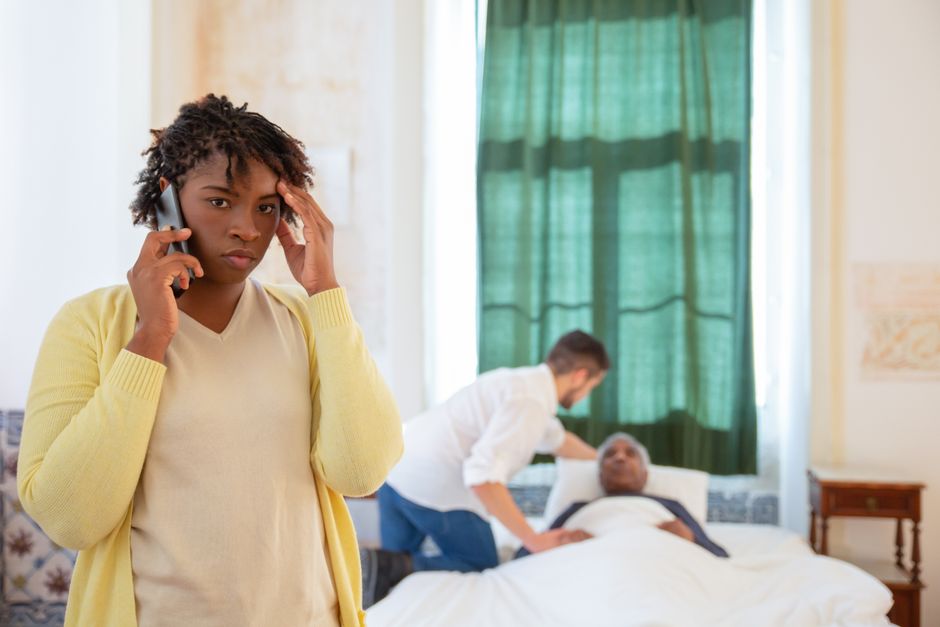
When we talk about elder physical abuse, we are looking at acts that go far beyond accidents. Whether it occurs in a high-rise apartment near Market Street or a specialized care unit, the impact is devastating. According to Elder Abuse: MedlinePlus, this mistreatment can significantly shorten a person’s life expectancy, even if they don’t have other chronic health conditions. At J. Fine Law, we frequently see how Philadelphia Nursing Home Negligence creates environments where this abuse can flourish due to understaffing or poor supervision.
Who is Most at Risk?
While abuse can happen to anyone regardless of their background, certain factors make some Philadelphians more vulnerable. Social isolation is a major risk factor; when an older adult doesn’t have regular visitors, an abuser feels they can act without being caught.
Those living with dementia or Alzheimer’s are at a significantly higher risk because they may struggle to remember the abuse or communicate what happened to their family. Research also indicates that women are more likely to be victims of elder physical abuse than men. Additionally, individuals with physical disabilities who depend entirely on others for daily activities like bathing or eating are often in a position where they cannot defend themselves or escape a harmful situation. You can find more info about Philadelphia nursing home services and risk factors on our dedicated resource pages.
Where Abuse Commonly Occurs
It is a common misconception that abuse only happens in “bad” nursing homes. In reality, elder physical abuse occurs across all settings:
- Private Homes: Nearly 60% of elder abuse cases involve a family member as the perpetrator.
- Assisted Living and Nursing Facilities: Facilities near Broad Street or in the Northeast can sometimes harbor abusive staff or fail to prevent resident-on-resident violence.
- Group Homes: Smaller residential settings may lack the oversight found in larger institutions.
The Elder Justice Initiative (EJI) | Physical Abuse notes that abuse often happens behind closed doors, making it vital for family members to be observant during every visit.
Recognizing the Signs and Symptoms of Mistreatment
Detecting elder physical abuse requires a keen eye. Abusers are often skilled at hiding their tracks, and victims may be too intimidated to speak up. We tell our clients to look for patterns rather than isolated incidents.
Physical and Behavioral Indicators
| Physical Red Flags | Behavioral Red Flags |
|---|---|
| Unexplained bruises, welts, or scars | Sudden social withdrawal or “shutting down” |
| Broken eyeglasses or frames | Unusual agitation or trembling |
| Rope marks on wrists or ankles (signs of restraint) | Fear of being left alone with a specific caregiver |
| Untreated injuries in various stages of healing | Hesitation to speak openly in front of staff |
| Sprains, dislocations, or internal bleeding | Sudden onset of depression or “learned helplessness” |
If you notice these signs, it is important to document them immediately. Our guide on How To Spot Nursing Home Neglect Before Its Too Late provides a checklist for families visiting loved ones in Philadelphia facilities.
Common Examples of Elder Physical Abuse Behaviors
Physical abuse isn’t always a punch or a kick. It encompasses a wide range of behaviors designed to control or hurt an older adult. Common examples include:
- Hitting, slapping, or pinching: These are the most direct forms of violence.
- Inappropriate restraints: Tying a resident to a chair or locking them in a room because the staff is too busy to monitor them.
- Medication Abuse: Giving too much medication to keep a resident “quiet” (chemical restraint) or withholding vital prescriptions as punishment.
- Withholding Basic Needs: Not allowing a resident to use the bathroom or depriving them of food/water.
For residents in nearby states, our Nursing Home Abuse Lawyer Nj Guide covers specific regulations that protect against these behaviors.
Behavioral Changes to Watch For
Sometimes the body doesn’t show the trauma, but the mind does. If your normally chatty grandmother suddenly becomes withdrawn or refuses to make eye contact, something may be wrong. Agitation and fear are also major indicators. If a resident cringes when a caregiver enters the room at a facility near Chestnut Hill, that is a massive red flag. We discuss these psychological shifts in our article Philadelphia Nursing Home Lawyer What To Do If Youre Loved One Has Bed Sores, as physical neglect and physical abuse often go hand-in-hand.
Typical Perpetrators and Health Consequences
Who would hurt an older person? The answer is often heartbreaking. Perpetrators are frequently those the victim trusts most. This includes adult children, spouses, or grandchildren who may be struggling with their own issues, such as substance abuse or financial stress. In institutional settings, it can be a “burnt out” staff member at a local nursing home who takes their frustration out on a vulnerable resident.
The consequences of elder physical abuse are severe. Short-term effects include physical pain, broken bones, and fear. However, the long-term trauma is often what leads to a “failure to thrive.” According to the Elder Abuse | National Institute on Aging, victims of abuse have a 300% higher risk of death in the following years compared to those who were not mistreated. The stress of the abuse causes permanent damage to the immune system and heart health.
The Role of Healthcare Professionals
Doctors and nurses at institutions like Penn Presbyterian Medical Center or Temple University Hospital play a critical role in stopping the cycle of violence. In Pennsylvania, healthcare professionals are mandatory reporters. This means if they see a “non-accidental trauma”—like a bruise that doesn’t match the story provided by the caregiver—they are legally required to report it to the authorities.
When a victim is brought into a Philadelphia ER, specialized screening protocols help identify signs of elder physical abuse that a layperson might miss. If you feel a doctor missed these signs, you may need to consult a Nursing Home Abuse Malpractice Lawyer Philadelphia to investigate whether the facility or hospital failed in its duty to protect your loved one.
Legal Protections and Reporting in Philadelphia
Philadelphia has specific laws designed to protect our seniors. The Older Adults Protective Services Act (OAPSA) mandates that any employee or administrator of a facility who suspects abuse must report it.
If you suspect elder physical abuse, follow these steps:
- Immediate Danger: Call 911 immediately. The Philadelphia Police Department takes these reports seriously.
- Report to the State: Call the Pennsylvania Department of Aging’s 24-hour hotline at 1-800-490-8505. You can also find more information on how to Report Elder Abuse | Department of Aging.
- Contact an Ombudsman: A long-term care ombudsman is an advocate for nursing home residents and can help investigate complaints within a facility.
How a Lawyer Helps Victims of Elder Physical Abuse
Reporting the abuse stops the immediate harm, but it doesn’t always provide justice or the resources needed for recovery. That is where we come in. At J. Fine Law, we do more than just file paperwork; we launch a full-scale investigation into the abuser and the facility that allowed the abuse to happen.
With a 98% success rate and over $50 million recovered for our clients, we know how to hold these entities accountable. We look at staffing logs, prior citations, and medical records to build an undeniable case. Our goal is to secure compensation that covers medical bills, relocation to a safer facility, and pain and suffering. If you are ready to take action, you can contact our Philadelphia legal team for a free, confidential consultation. We have offices conveniently located in Philadelphia, Cherry Hill, and Feasterville to serve you.
Frequently Asked Questions about Elder Abuse
What should I do if I suspect immediate danger?
If you believe an older adult is in life-threatening danger right now, call 911. Do not wait to “see if things get better.” Philadelphia emergency services are trained to handle these interventions and can remove the senior from a dangerous environment immediately.
How can I report abuse in a Philadelphia nursing home?
Beyond calling 911, you should report the incident to the Pennsylvania Department of Health and the local Area Agency on Aging. It is also wise to document everything—take photos of injuries, write down the names of staff members on duty, and keep a log of what you observed. Then, contact a Philadelphia elder physical abuse attorney to ensure the facility doesn’t try to sweep the incident under the rug.
What are the long-term effects of elder physical abuse?
The long-term effects include chronic pain, permanent disability, severe depression, and post-traumatic stress disorder (PTSD). Many seniors experience a rapid decline in cognitive function following physical trauma. This is why securing a settlement is so important—it provides the financial means for high-quality psychological and physical therapy.
Seek Justice with J. Fine Law Firm
Protecting our seniors is a community-wide responsibility. As we navigate 2026, we must remain vigilant against the hidden epidemic of elder physical abuse. Whether your loved one is at home or in a care facility near Rittenhouse Square, they deserve to live with dignity and safety.
If the unthinkable has happened, you don’t have to fight this battle alone. At J. Fine Law, we are dedicated to being the voice for those who have been silenced by abuse. We provide the rapid response and aggressive representation needed to secure justice. For more information on how we protect Philadelphia families, visit our Nursing Home Abuse Philidelphia resource page. Let us help you hold the responsible parties accountable and get your loved one the support they need.