 Skip to content
If you’re looking for a brain injury attorney Philadelphia residents trust, here’s what you need to know right away:
Quick answers for Philadelphia TBI victims:
- You have 2 years to file a brain injury claim in Pennsylvania (with some exceptions)
- You pay nothing upfront — TBI attorneys work on contingency fees
- You can still recover damages even if you were partly at fault (up to 50%)
- Act fast — evidence disappears, witnesses forget, and insurance companies move quickly
- Represented victims receive, on average, 3x more in settlements than those without a lawyer
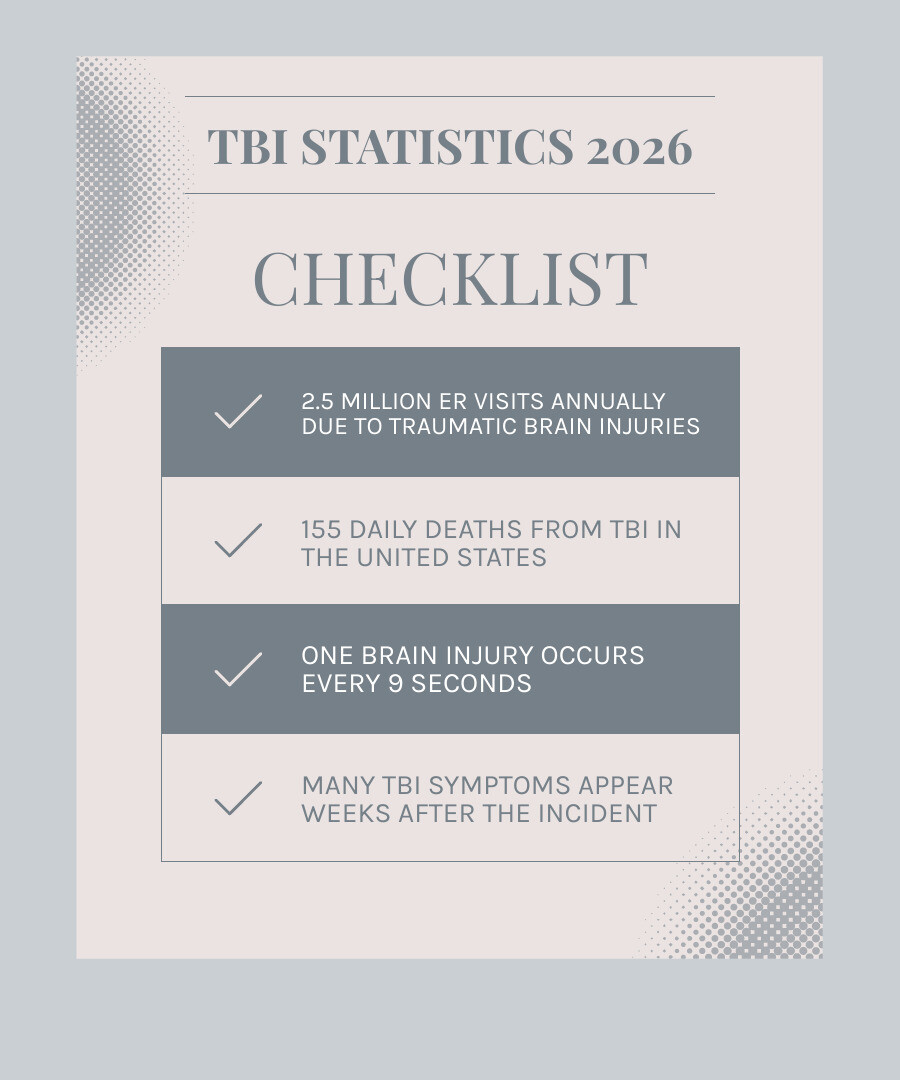
A brain injury can happen in seconds. According to the Brain Injury Association of America, one occurs every nine seconds in the United States. About 2.5 million people visit emergency rooms each year because of traumatic brain injuries — and many more never realize they’re injured until weeks later.
In Philadelphia, the stakes are especially high. Between high-traffic corridors like I-95 and Roosevelt Boulevard, active construction zones, and a large elderly population in long-term care facilities, serious head injuries happen every day. And when they do, insurance companies are usually quick to minimize what they owe you.
That’s where having the right legal team makes all the difference.
I’m Jason Fine, senior trial attorney and founding member of J. Fine Law Group, P.C., with over 25 years of experience representing injury victims across Philadelphia and Pennsylvania — including those who need a brain injury attorney Philadelphia families can rely on after devastating accidents or instances of elder abuse. As a ten-time consecutive nominee to Pennsylvania Super Lawyers in personal injury, I’ve seen how quickly the right legal strategy can change the outcome of a TBI case.
Brain injury attorney Philadelphia further reading:
Understanding Traumatic Brain Injury (TBI) and Its Impact

A Traumatic Brain Injury (TBI) is more than just a “bump on the head.” It is a physiological disruption of brain function caused by an external force. As we move through May 2026, the data from the Centers for Disease Control and Prevention remains sobering: approximately 2.5 million Americans visit the emergency room for TBIs annually, and over 64,000 deaths are reported each year.
To understand your legal case, we must first understand the mechanics of the injury. We often see cases involving:
- Diffuse Axonal Injury (DAI): This occurs when the brain shifts or rotates inside the skull, causing microscopic tearing of nerve fibers (axons). These are often difficult to see on standard scans but can be life-altering.
- Coup-contrecoup: A “strike-counterstrike” injury where the brain slams into one side of the skull and then bounces into the other, causing two separate areas of damage.
- Hypoxic vs. Anoxic Injuries: These involve oxygen deprivation. Hypoxia is a partial loss of oxygen, while anoxia is a total cutoff. These often occur in medical malpractice or near-drowning incidents.
Classifying Brain Trauma Severity
Doctors and a brain injury attorney Philadelphia will use specific metrics to classify your injury. These are usually based on how long you were unconscious and the duration of memory loss.
| TBI Severity | Loss of Consciousness | Common Symptoms | Recovery Outlook |
|---|---|---|---|
| Mild | Less than 30 mins | Headaches, confusion, dizziness | Weeks to months |
| Moderate | 30 mins to 24 hours | Persistent migraines, mood swings | Often permanent deficits |
| Severe | More than 24 hours | Paralysis, cognitive loss, coma | Lifelong care required |
In Philadelphia, victims often receive initial stabilization at world-class facilities like Penn Presbyterian Medical Center or Temple University Hospital. However, even with the best medical care, the financial burden of a moderate to severe TBI can reach millions of dollars over a lifetime.
Common Causes of Head Trauma in Philadelphia
Navigating the streets of Philadelphia can be hazardous. We see a high volume of TBI cases originating from specific local danger zones. Whether it’s a high-speed collision on I-95, a pedestrian accident near Temple University, or a multi-vehicle pileup on the Roosevelt Boulevard—often cited as one of the most dangerous roads in the country—the force involved in these crashes is more than enough to cause permanent brain damage.
Beyond the roads, we frequently handle cases involving:
- Slip and Fall Incidents: Particularly near busy commercial hubs like Market Street or Broad Street, where poorly maintained sidewalks or unmarked wet floors lead to violent falls.
- Workplace Injuries: Philadelphia’s booming construction industry often sees workers falling from scaffolding or being struck by falling objects.
- Product Liability: Defective safety gear, such as faulty helmets or failing airbags, that fails to protect the head during an impact.
If you’ve been hurt in any of these scenarios, a Philadelphia Traumatic Brain Injury Lawyer can help you determine who is at fault.
Nursing Home Neglect and Elderly Falls
Our seniors are among the most vulnerable to head trauma. In Philadelphia care facilities, falls are the leading cause of TBIs. When a nursing home fails to provide adequate supervision or leaves hazards in hallways, a simple fall can be fatal for an elderly resident. We take these cases seriously, as they often involve a breach of the basic duty of care owed to our parents and grandparents. If you suspect your loved one is a victim of negligence, a Philadelphia elder abuse attorney can help you hold the facility accountable. You can learn more about identifying these issues in our guide on Decoding Brain Injury Causes Symptoms and What Happens Next.
Identifying Symptoms and Long-Term Effects
One of the most dangerous things about a brain injury is that it can be “silent.” You might walk away from a car accident on the Vine Street Expressway feeling “fine,” only to have your life unravel days later.
Common symptoms that require immediate attention at a facility like Jefferson University Hospital include:
- Cognitive Impairment: Difficulty finding words, shortened attention span, or “brain fog.”
- Physical Changes: Persistent migraines, dizziness, or ringing in the ears (tinnitus).
- Sensory Sensitivity: Sudden inability to handle bright lights or loud noises.
- Clear Fluid Drainage: If you notice clear fluid draining from the nose or ears, this could indicate a skull fracture and brain trauma.
For a deeper dive into what to watch for, see our Traumatic Brain Injury Attorney Ultimate Guide.
The “Silent” Nature of Brain Damage
Unlike a broken leg, brain damage isn’t always visible on an X-ray. Personality changes—such as sudden irritability, depression, or loss of impulse control—can devastate family dynamics. Because these injuries are “invisible,” insurance companies will often argue that you aren’t “really” hurt. This is why immediate medical documentation and the help of a brain injury attorney Philadelphia are critical.
Why You Need a Brain Injury Attorney Philadelphia Immediately
Time is not on your side. In Pennsylvania, the statute of limitations for personal injury is generally two years from the date of the accident. While that might sound like a long time, building a TBI case is a massive undertaking.
We need to:
- Preserve Evidence: Security footage from a Broad Street storefront might be erased in 30 days.
- Interview Witnesses: People move and memories fade.
- Stop Insurance Tactics: Adjusters may call you days after the injury, offering a “quick settlement.” This amount is almost always a fraction of what you actually need for long-term care.
Don’t Go It Alone: Secure a Skilled Brain Injury Lawyer Today to ensure your rights are protected from day one.
Choosing the Right Brain Injury Attorney Philadelphia
When searching for a PA Brain Injury Lawyer, you should look for a firm that treats you like a person, not a file number. At J. Fine Law, we handle everything from traffic accidents to complex nursing home negligence cases. We operate on a contingency fee basis—meaning you pay us nothing unless we win your case. Our 98% success rate and history of over $50 million in settlements speak to our commitment to our Philadelphia neighbors.
What to Expect from Your Legal Team
A robust legal strategy involves more than just filing paperwork. We work with medical professionals, neurologists, and life-care planners to calculate the true cost of your injury. This includes everything from future surgeries to home modifications like wheelchair ramps. If the insurance company refuses to be fair, we are prepared to take your case to the Philadelphia Court of Common Pleas.
Proving Negligence and Recovering Compensation
To win a TBI lawsuit, we must prove four things:
- Duty of Care: The defendant had a responsibility to act safely (e.g., a driver must follow traffic laws).
- Breach of Duty: They failed that responsibility (e.g., texting while driving).
- Causation: Their failure directly caused your brain injury.
- Damages: You suffered actual financial or emotional losses.
Pennsylvania follows a modified comparative negligence rule. This means you can still recover money even if you were 20% at fault for the accident, but your final check will be reduced by that 20%. However, if you are found to be more than 50% at fault, you cannot recover anything.
Recoverable Damages in TBI Lawsuits
We fight to recover both economic and non-economic damages, including:
- Medical Bills: Past, present, and future.
- Lost Wages: Including the loss of future earning capacity if you can no longer work.
- Pain and Suffering: For the physical and emotional distress caused by the trauma.
- Home Modifications: Necessary changes to your living space to accommodate disabilities.
Frequently Asked Questions about Philadelphia TBI Claims
What is the statute of limitations for a brain injury in Pennsylvania?
In most cases, you have two years from the date of the injury to file. However, the “discovery rule” may apply if the injury wasn’t immediately apparent. For children, the clock typically doesn’t start until they turn 18.
How much is a typical Philadelphia brain injury settlement worth?
There is no “average,” as every brain is different. However, because TBIs are classified as catastrophic injuries, settlements often range from the hundreds of thousands to several million dollars, depending on the severity and available insurance coverage.
Can I sue if I was partially at fault for the accident?
Yes! As long as you are not more than 50% responsible for the incident, you can pursue a claim under Pennsylvania’s comparative negligence laws.
Next Steps with J. Fine Law Firm
A brain injury changes everything—but you don’t have to face the aftermath alone. At J. Fine Law, we provide a rapid attorney response and the aggressive advocacy you need to secure your future. With locations in Philadelphia, Cherry Hill, and Feasterville, we are always close by when you need us.
More info about Philadelphia traumatic brain injury services
Protecting Our Seniors
If your loved one’s brain injury was the result of poor care, neglect, or physical mistreatment in a residential facility, you need a dedicated advocate. Contact our Philadelphia attorneys today for a free consultation to ensure your family’s rights are protected and the negligent parties are held accountable. We are here to help you navigate the complex Philadelphia legal landscape and get the justice you deserve.