 Skip to content
After a Rear-End Crash in Philadelphia, Here’s What You Need to Know
If you’ve just been rear-ended and you’re staring down a stack of medical bills while your phone won’t stop ringing with calls from insurance adjusters, a rear-end accident lawyer could be the single most important call you make right now.
Here’s a quick answer if you’re in a hurry:
- You have 2 years to file a claim in Pennsylvania (42 Pa. CSA § 5524) — from June 2026, that clock is already ticking
- The driver who hit you from behind is typically presumed at fault
- You can recover medical bills, lost wages, pain and suffering, and more
- Insurance companies often offer lowball settlements — an attorney helps you fight back
- Most rear-end accident lawyers work on contingency — you pay nothing unless you win
Rear-end collisions are the most common type of car crash in the United States, making up roughly 29% of all accidents according to NHTSA. On Philadelphia roads like Roosevelt Boulevard and Broad Street — where stop-and-go traffic is a daily reality — these crashes happen constantly. And what looks like a simple fender-bender can leave you with whiplash, herniated discs, or a concussion that doesn’t show up until days later.
The aftermath is overwhelming. You’re hurt, you’re missing work, and an insurance adjuster is already pressuring you to accept a quick settlement — before you even know the full extent of your injuries.
I’m Jason Fine, founding attorney at J. Fine Law Group and a ten-time consecutive Pennsylvania Super Lawyers nominee in personal injury, with over 25 years fighting for accident victims — including those injured in rear-end collisions across Philadelphia and the surrounding region. As a rear-end accident lawyer who has taken on some of the largest insurance companies in the country (and won), I know exactly how these cases work and how to get you what you’re actually owed.
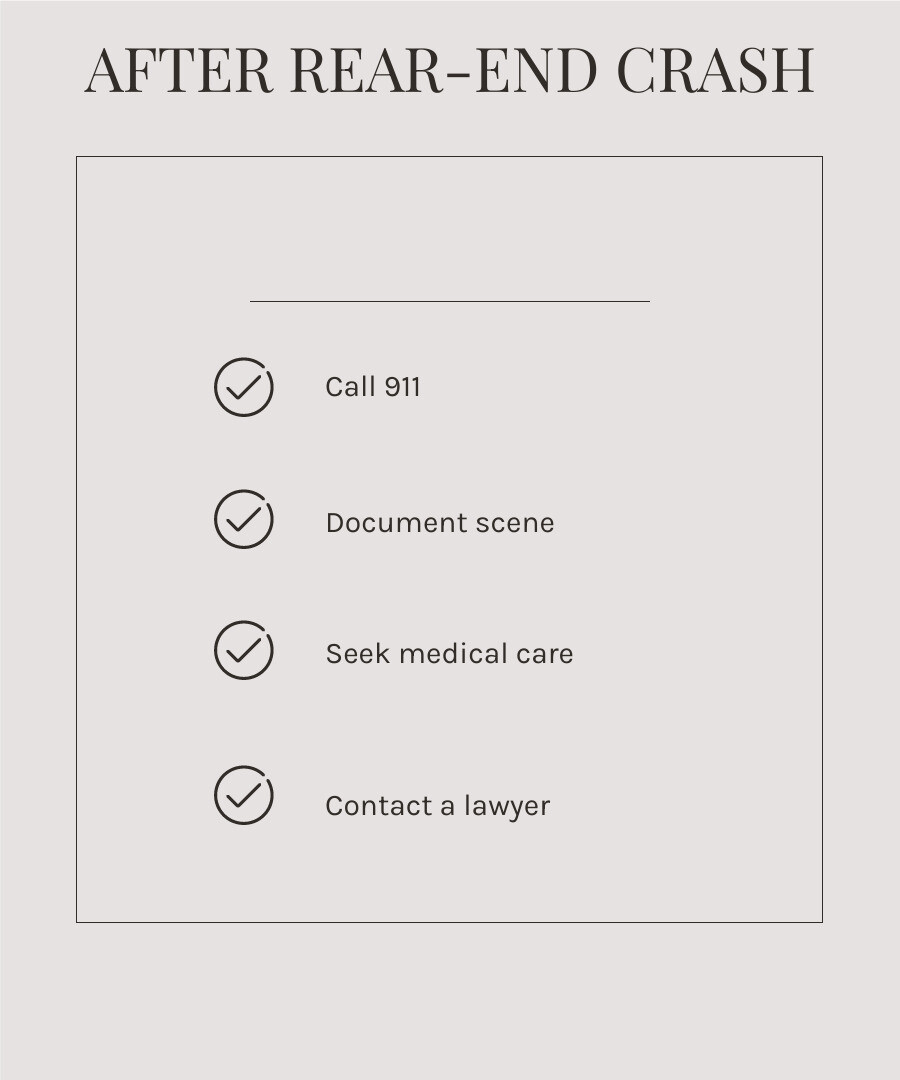
Simple guide to Rear-end accident lawyer:
Why You Need a Philadelphia Rear-End Accident Lawyer After a Crash

When you are sitting in traffic on Broad Street and suddenly feel a violent jolt from behind, your world flips upside down. In the hours following the crash, your priority should be your health. You might find yourself in the emergency room at Penn Presbyterian Medical Center or Temple University Hospital, dealing with neck pain, dizziness, or a throbbing lower back.
While you try to heal, the legal and financial clock starts ticking. Navigating the aftermath of a crash in Pennsylvania requires a deep understanding of local insurance rules. We have put together a comprehensive Philadelphia Rear End Collision Attorney Guide to help victims understand their rights, but the most critical step you can take is securing dedicated legal representation early.
When to Hire a Rear-end Accident Lawyer Instead of Handling It Alone
Many people assume that because they were hit from behind, the insurance process will be straightforward. After all, the rear driver is almost always at fault, right?
Unfortunately, insurance companies do not play fair. Their primary goal is to protect their bottom line, not your health. Here is what you are up against if you try to handle a claim on your own:
- Lowball Settlement Offers: Insurance adjusters will call you within days of the crash, offering a quick check. This money rarely covers the long-term cost of physical therapy, future medical procedures, or missed time at work.
- Blame Shifting: The insurer may argue that you stopped too quickly, that your brake lights were out, or that a third vehicle caused the crash.
- Downplaying Injuries: Adjusters routinely argue that low-speed impacts cannot cause serious spinal injuries or concussions.
By bringing in a rear-end accident lawyer, you level the playing field. We handle all communication with the insurance companies, preserve critical evidence, and guide you through the complex Car Accident Legal Process so you can focus entirely on your physical recovery.
How a Rear-end Accident Lawyer Calculates the True Value of Your Claim
Evaluating a personal injury claim is about much more than adding up your current medical bills. We look at the big picture to ensure you do not run out of funds down the road.
When we calculate the value of your case, we split damages into two main categories:
- Economic Damages: These are quantifiable financial losses, such as emergency room bills from Temple University Hospital, ongoing physical therapy costs, medication, and lost wages from missed workdays.
- Non-Economic Damages: These cover the intangible toll of the accident, including physical pain, emotional distress, loss of enjoyment of life, and sleep disturbances.
To understand how these different types of compensation work together to secure your financial future, read our detailed article, Demystifying Damages: Your Guide to Personal Injury Compensation.
Determining Fault and Damages in Philadelphia Rear-End Collisions
Determining fault in a rear-end collision might seem simple, but Pennsylvania’s civil court system introduces several legal hurdles. Under 42 Pa. CSA § 5524, victims have a strict two-year statute of limitations to file a personal injury lawsuit. As we navigate through June 2026, keeping track of these legal deadlines is absolutely vital to protecting your right to compensation.
Proving Liability on Philadelphia Roads
To secure a successful settlement, we must establish that the other driver’s negligence caused the crash. Common causes of rear-end accidents on busy stretches like Roosevelt Boulevard include:
- Distracted Driving: Texting, looking at a GPS, or adjusting the radio.
- Tailgating: Failing to maintain a safe following distance, especially in stop-and-go traffic.
- Brake-Checking: Intentionally slamming on the brakes in a fit of road rage.
To build an airtight case, we gather and analyze multiple sources of evidence, including:
- Official police reports filed at the scene.
- Eyewitness accounts from pedestrians or other drivers.
- Dashcam footage and nearby traffic camera recordings.
- Electronic Data Recorder (EDR) data from the vehicles involved, which can prove speed and braking patterns.
Common Injuries and Delayed Symptoms
A common defense tactic is to claim that if the vehicle sustained minor damage, the passengers could not have been hurt. Biomechanical reality tells a different story. Even low-speed impacts under 10 mph transmit immense force through the human body, leading to serious physical trauma:
- Whiplash: The sudden back-and-forth whipping motion of the neck, damaging soft tissues, ligaments, and muscles.
- Concussions and Traumatic Brain Injuries (TBIs): Caused by the brain striking the inside of the skull during sudden deceleration.
- Spinal Disc Herniations: The force of the impact can cause spinal discs to bulge or rupture, pinching nerves and causing debilitating pain.
Many of these injuries involve delayed-onset pain. You might leave the scene feeling fine due to adrenaline, only to wake up 48 hours later unable to move your neck. This is why seeking immediate medical evaluation is so important.
Frequently Asked Questions About Rear-End Collisions in Philadelphia
| Insurance System | Who Pays First? | Can You Sue for Pain & Suffering? |
|---|---|---|
| No-Fault (PIP) | Your own insurance covers medical bills up to your policy limit, regardless of fault. | Only if your injuries meet the “serious injury” threshold or you have Full Tort coverage. |
| Fault-Based | The at-fault driver’s insurance is responsible for your damages. | Yes, you can pursue the negligent driver for all economic and non-economic damages. |
Who is typically at fault in a rear-end collision?
There is a strong legal presumption that the rear driver is at fault because motorists are required to maintain a safe following distance under Pennsylvania law. However, this presumption is not absolute. The lead driver can share liability if they reversed suddenly, brake-checked the driver behind them, or drove at night with non-functioning brake lights.
How long do I have to file a lawsuit in Pennsylvania?
Under 42 Pa. CSA § 5524, you have exactly two years from the date of the crash to file a lawsuit. If your accident occurred in June 2026, you must file your claim by June 2028. Failing to meet this deadline means you lose your right to seek compensation forever.
What if I had a pre-existing condition before the crash?
Under Pennsylvania’s “eggshell plaintiff” rule, a defendant is fully liable for the damages they cause, even if the victim was more susceptible to injury due to a pre-existing condition. If you had prior lower back pain, and the rear-end crash aggravated or worsened that condition, we can still recover compensation on your behalf through careful medical documentation.
Conclusion: Protecting Vulnerable Victims and Seniors in Philadelphia
A sudden car crash can derail your life, but for older adults, the physical and emotional consequences can be devastating. A minor rear-end collision can permanently rob a senior of their mobility, independence, and quality of life.
At J. Fine Law, we do not just represent drivers in car crashes; we protect the most vulnerable members of our community. Our legal team brings a 98% success rate, rapid attorney response times, and a track record of over $50 million in settlements for our clients. Whether you are dealing with the aftermath of a highway accident or suspect that an elderly loved one is suffering from elder abuse or nursing home negligence in a local care facility, we are here to stand up for your family. If you need dedicated representation to protect an aging family member, our team is ready to help.
If you or a loved one has been injured, do not wait for the insurance company to dictate your future. Take the first step toward justice by reading our guide on Free Case Evaluation: Your Guide to Understanding Legal Consultations, and then Contact an Elder Abuse Attorney or car accident advocate at J. Fine Law today for a free, no-obligation review of your case.