 Skip to content
When a Medical Error Changes Everything: What You Need to Know
A medical malpractice attorney is a lawyer who helps patients — and their families — seek justice when a healthcare provider’s negligence causes serious harm.
Quick answer: Here’s what a medical malpractice attorney does for you:
- Reviews your medical records to determine if negligence occurred
- Connects you with medical professionals who can confirm the standard of care was breached
- Builds your case by proving four key elements: duty, breach, causation, and damages
- Negotiates with hospitals and insurers on your behalf
- Represents you in court if a fair settlement isn’t offered
If you or someone you love was harmed by a doctor, nurse, surgeon, or hospital in Philadelphia, you may have more legal options than you think.
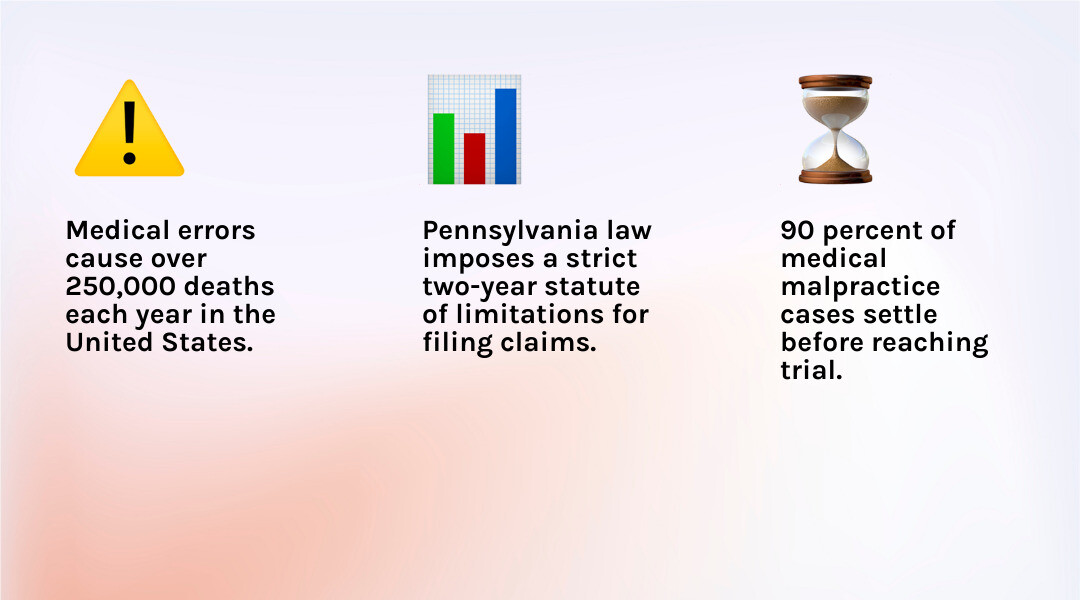
Medical errors are far more common than most people realize. According to a landmark study by researchers at Johns Hopkins Medicine, more than 250,000 Americans die every year as a result of medical mistakes — making it one of the leading causes of death in the United States. Behind those numbers are real families left with unanswered questions, mounting bills, and no clear path forward.
The healthcare system can feel impossible to fight on your own. Doctors rarely admit fault. Hospitals have legal teams. And insurance companies are counting on you not knowing your rights.
That’s exactly where having the right attorney in your corner makes all the difference.
I’m Jason Fine, senior trial attorney and founding member of J. Fine Law Group, with over 25 years of experience representing injured Pennsylvanians — including victims of medical malpractice attorney-level negligence involving nursing home abuse, surgical errors, and other serious healthcare failures. If you’re feeling overwhelmed and unsure where to turn, this guide will walk you through everything you need to know to protect your rights.
Medical malpractice attorney further reading:
What is a Medical Malpractice Attorney and What Cases Do They Handle?

When we go to a clinic or hospital, we place our lives in the hands of professionals. We expect them to follow the rules of medicine. But what happens when they take shortcuts?
A medical malpractice attorney is a civil litigator who holds healthcare providers accountable when their care falls below the accepted standard. Under Pennsylvania law, medical negligence occurs when a provider’s treatment deviates from what a reasonably prudent professional with similar training would have done under the same circumstances.
At J. Fine Law, we handle a wide variety of these complex cases, including:
- Surgical Errors: Operating on the wrong body part, leaving surgical instruments inside a patient, or accidentally puncturing internal organs.
- Misdiagnosis or Delayed Diagnosis: Failing to recognize obvious symptoms of cancer, heart attacks, or strokes, which deprives patients of life-saving treatment.
- Birth Injuries: Negligence during labor and delivery that leads to permanent harm, such as cerebral palsy or brain damage.
- Medication Mistakes: Administering the wrong drug or dosage, or failing to check for dangerous drug interactions.
If you suspect you have been a victim of negligent medical care, you can learn more about your options through a trusted Philadelphia Medical Malpractice Attorney. Navigating the legal landscape requires a team that understands both local court systems and complex medical records.
Types of Healthcare Professionals Held Accountable
It is a common myth that only doctors can be sued for malpractice. In reality, any licensed healthcare professional or entity can be held legally responsible for negligence. This includes:
- Doctors and medical practitioners
- Registered nurses and nurse practitioners
- Surgeons and anesthesiologists
- Pharmacists and laboratory technicians
- Large hospital networks and health systems
In Philadelphia, we have some of the most prestigious medical institutions in the country, including Penn Medicine on Spruce Street and Temple University Hospital on Broad Street. While these facilities employ thousands of dedicated workers, systemic issues like understaffing and fatigue can lead to devastating mistakes. Whether the error occurred at a major university hospital or a local neighborhood clinic, the law applies to everyone equally.
Choosing the Right Medical Malpractice Attorney for Your Case
Medical malpractice lawsuits are notoriously difficult to win. Hospitals and their insurance companies have massive legal teams dedicated to denying claims. To level the playing field, you need a law firm with a deep understanding of medical litigation and a proven track record of standing up to these giants.
When searching for representation, look for a firm with extensive trial experience. Many personal injury lawyers prefer to settle quickly for a fraction of what a case is worth because they want to avoid the courtroom. At J. Fine Law, we prepare every single case as if it is going to trial. Our 98% success rate and over $50 million secured for our clients speak directly to our aggressive approach.
If you are located in the suburbs, you can easily connect with us at our Feasterville Bucks County Personal Injury Law Office for a personal review of your case.
Key Qualities to Look For in Legal Representation
When you are dealing with life-altering injuries, you do not just need a legal professional; you need a compassionate advocate. Here are the essential qualities to look for:
- Clear, Honest Communication: You should never feel ignored. Our firm prides itself on rapid attorney responses so you always know where your case stands.
- No Upfront Costs: A reputable firm operates on a contingency fee basis. If we don’t win your case, you do not owe us a dime.
- Deep Investigative Resources: Malpractice cases require hiring independent medical authorities to review charts and testify in court. Your firm must have the financial resources to fund these expensive investigations.
From our offices near Broad Street and Market Street, we make sure our clients receive the personalized attention they deserve. A doctor’s instructions are not always the final word on your health or your legal rights. If you suspect something went wrong during your treatment, you should read about why Doctors Orders Not Always Right Consult A Malpractice Lawyer.
Common Types of Medical Negligence and How to Prove It
Proving that a medical procedure had a bad outcome is not enough to win a lawsuit. Medicine is inherently risky, and sometimes patients do not recover even with perfect care. To win a medical malpractice claim, your medical malpractice attorney must prove that your provider acted negligently.
Some of the most common forms of negligence we see in Philadelphia include:
- Diagnostic Errors: A radiologist misreads an MRI, or an ER doctor dismisses chest pain as acid reflux.
- Anesthesia Complications: Administering too much anesthesia or failing to monitor a patient’s oxygen levels during surgery.
- Inadequate Post-Operative Care: Failing to monitor a patient for internal bleeding or infections after a procedure.
To hold these providers accountable, you need a team of skilled Philadelphia Medical Malpractice Lawyers who know how to dissect medical charts and expose where the care fell short.
Proving Negligence with a Medical Malpractice Attorney
To build a successful lawsuit, we must establish four legal elements:
- Duty of Care: A formal doctor-patient relationship existed, meaning the provider had a legal obligation to treat you competently.
- Breach of Duty: The provider failed to meet the accepted standard of care.
- Causation: This specific breach of duty directly caused your injury or the death of your loved one (not your underlying illness).
- Damages: You suffered quantifiable physical, emotional, or financial harm as a result.
Establishing these elements requires an exhaustive review of your medical records and testimony from independent medical professionals. For more insight into how these elements are built, consult our guide on why Doctors Orders Not Always Right Consult A Malpractice Lawyer
Damages, Timelines, and the Lawsuit Process in Pennsylvania
If you win your case, you are entitled to financial compensation, known as damages. These are designed to help you rebuild your life and cover the unexpected expenses caused by your injury.
| Type of Damages | What It Covers | Examples |
|---|---|---|
| Economic Damages | Direct financial losses with a specific dollar amount | Medical bills, future rehabilitation, lost wages, loss of earning capacity |
| Non-Economic Damages | Subjective, non-monetary losses | Pain and suffering, emotional distress, loss of life enjoyment, disfigurement |
| Punitive Damages | Awarded to punish behavior that is exceptionally reckless | Operating under the influence, hiding medical errors |
For families who have lost a loved one due to severe medical errors, filing a wrongful death claim can help cover funeral expenses and secure their financial future. Our Medical Malpractice Wrongful Death Attorneys are here to guide grieving families through this painful process with dignity and respect.
Navigating the Lawsuit Process with a Medical Malpractice Attorney
The legal process can be lengthy, often taking anywhere from one to three years to fully resolve. Here is what you can expect:
- Investigation: We gather all medical records, bills, and history, and have them reviewed by independent medical professionals.
- Filing the Complaint: We file a formal lawsuit in court. In Pennsylvania, we must also file a “Certificate of Merit” within 60 days, confirming that a licensed professional has reviewed your file and agrees a breach of care occurred.
- Discovery: Both sides exchange documents, take depositions, and examine the evidence.
- Negotiation and Trial: While over 90% of medical malpractice cases settle before a trial, we prepare every case to go before a jury if the insurance company refuses to offer a fair settlement.
Frequently Asked Questions About Medical Negligence
How long do I have to file a medical malpractice claim in Pennsylvania?
In Pennsylvania, the statute of limitations for medical malpractice is generally two years from the date the injury occurred or the date you reasonably should have discovered the injury. This is known as the “discovery rule.” Because medical cases require months of investigation before a lawsuit can be filed, it is vital to contact an attorney immediately if you suspect something is wrong.
What is the average settlement for a medical malpractice lawsuit?
There is no single “average” settlement because every injury is unique. Compensation is determined by the severity of the harm, the cost of past and future medical care, and the amount of lost income. Because statistics show that more than 90% of medical malpractice lawsuits settle before trial, having a firm that knows how to accurately value your case is critical to securing maximum compensation.
How do contingency fees work for medical malpractice cases?
At J. Fine Law, we work on a contingency fee basis. This means there are absolutely no upfront, out-of-pocket costs for you. We cover all the expenses of building your case, including court filing fees and hiring medical professionals. We only receive a percentage of the recovery if we successfully resolve your case. If we don’t win, you pay nothing.
Conclusion: Protecting Your Rights and Preventing Future Harm
Taking legal action is about more than just securing financial recovery. When you stand up and hold a negligent hospital or doctor accountable, you are helping to prevent the same mistake from happening to another patient. Your lawsuit can force systemic changes, leading to better hospital policies, improved training, and safer healthcare for everyone in Philadelphia.
This is especially true for our most vulnerable citizens. Often, medical malpractice and neglect occur where we least expect it — in long-term care facilities. If you suspect an elderly family member is suffering from neglect, bedsores, or medication errors, read our Nursing Home Malpractice Lawyer Complete Guide. If your loved one has been harmed, consulting a dedicated elder abuse attorney at J. Fine Law is the most effective way to stop the mistreatment and hold the facility accountable.
We are passionate about protecting seniors and families from abusive and negligent care. If you are ready to discuss your situation in a warm, supportive environment, our elder abuse attorneys are here to help.
Contact our Feasterville Bucks County Personal Injury Law Office or our Philadelphia office today for a free, confidential consultation with an elder abuse attorney. Let us do the heavy lifting so you can focus on healing.