 Skip to content

What Cherry Hill families should do after an NJ nursing home death
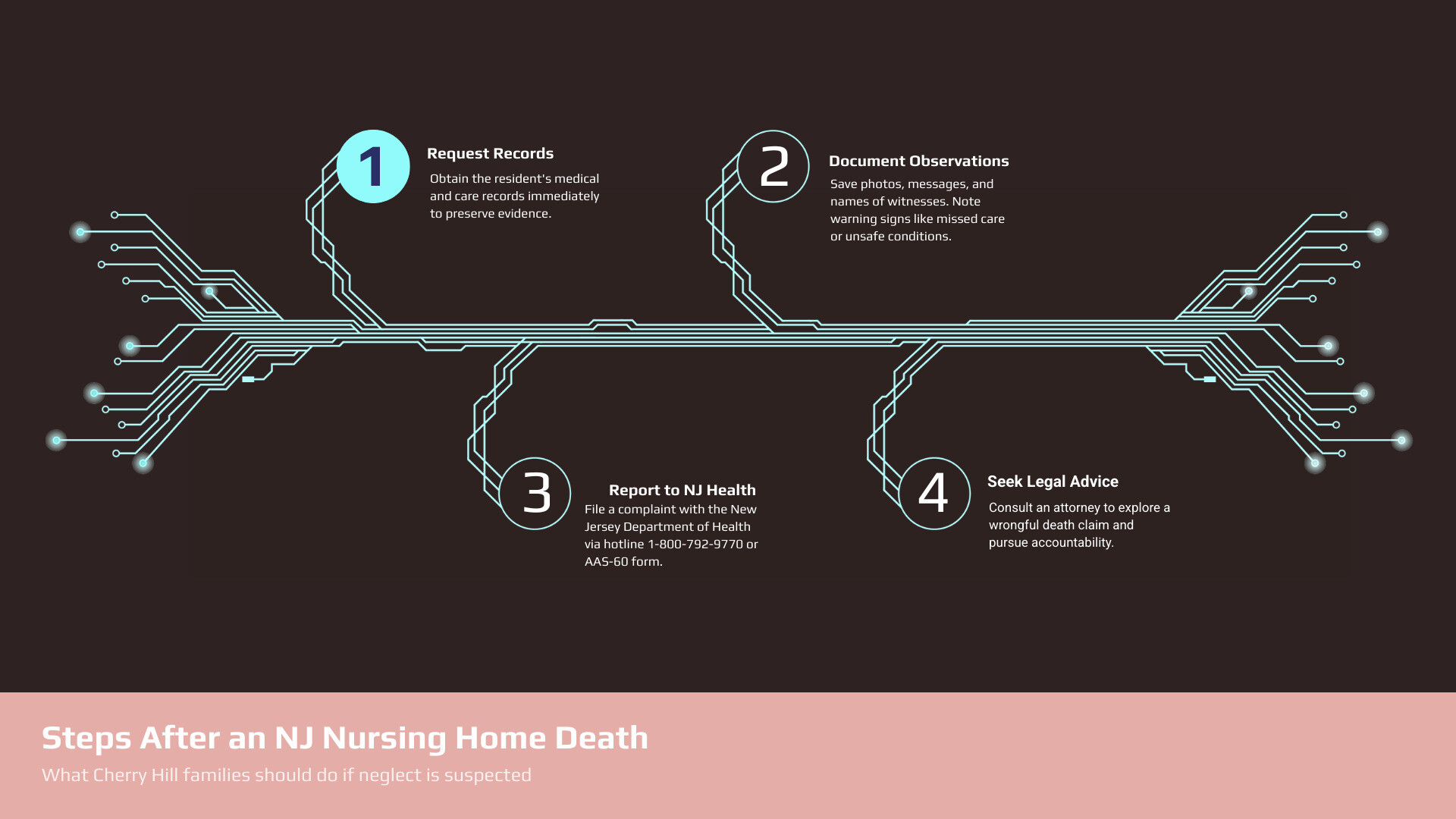
If you suspect an NJ nursing home death in Cherry Hill resulted from neglect, request the resident’s medical and care records, document what you observed, and report your concerns to the New Jersey Department of Health. A state complaint may prompt an investigation. A legal claim may help your family seek accountability if unsafe care contributed to the death.
Warning signs can include untreated illness, missed care, unsafe room temperatures, or delays in getting medical help. Save photos, messages, and the names of anyone who witnessed what happened.
I’m Jason Fine, founding elder abuse attorney at J. Fine Law, and I’ve spent more than 25 years representing people harmed by negligence, including nursing home neglect involving falls and bedsores. Families seeking wrongful death legal help need clear guidance on their rights. Contact me at J. Fine Law to discuss your family’s options after an NJ nursing home death.
What Constitutes an NJ Nursing Home Death Caused by Neglect?
An NJ nursing home death caused by neglect occurs when a facility fails to provide reasonable care and that failure causes or contributes to a resident’s fatal injury or decline. The key questions are what care the resident needed, what staff provided, and whether timely care could have prevented the death.
Facilities owe vulnerable residents a strict legal duty of care under state regulations. When care centers near Route 70 or Chapel Avenue fail to supply basic medical attention, hydration, or supervision, the consequences can be fatal. Fatal neglect happens when administrative shortcuts or inattention directly result in a preventable loss of life.
Warning Signs Preceding an NJ Nursing Home Death
Families often observe rapid physical decline, unmanaged stage 4 pressure injuries, and sudden weight loss before a tragedy occurs. Reviewing our guide to identifying elder abuse and neglect in New Jersey helps families spot missed physician orders and poor charting early. Recognizing these red flags can be crucial when determining whether facility staff breached their medical duties.
Temperature Control Failures and Resident Hypothermia
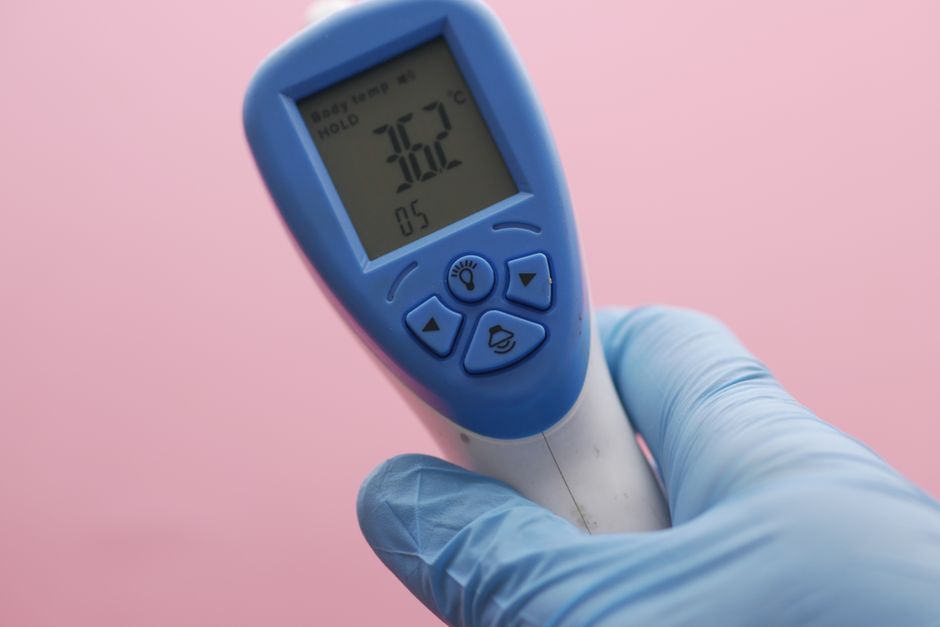
Elderly residents cannot regulate body heat effectively, making safe ambient indoor temperatures a critical safety requirement. In severe cases, unmonitored thermostats and faulty heating systems cause fatal hypothermia indoors. Recently, an appellate ruling upholding a nursing home verdict confirmed a $450,000 judgment after an 87-year-old resident died following exposure to freezing room conditions where core body temperature dropped to 89.9 degrees Fahrenheit.
How Does the New Jersey Nursing Home Residents’ Rights Act Protect Victims?
The New Jersey Nursing Home Residents’ Rights Act protects residents’ rights to a safe and decent living environment and may provide a basis for civil claims when those rights are violated. Families can also raise concerns with state oversight authorities. The facts and available remedies depend on the circumstances of each case.
Under N.J.S.A. 30:13-5, every nursing home resident in New Jersey is entitled to a safe, clean, and decent living environment. This statutory framework allows families to pursue civil actions when administrative choices deprive seniors of essential dignity and safety. It ensures facility administrators answer directly for systemic failures that harm loved ones.
| Claim Type | Legal Basis | Standard of Proof | Potential Remedies |
|---|---|---|---|
| Residents’ Rights Act | N.J.S.A. 30:13-1 et seq. | Statutory violation of safe living environment | Compensatory damages, attorney fees, costs |
| Common-Law Negligence | Common Law / Wrongful Death Act | Breach of professional standard of care causing injury/death | Economic loss, survivorship pain and suffering |
Key Legal Standards for an NJ Nursing Home Death Lawsuit
Building a solid claim requires establishing duty, breach, causation, and quantifiable damages under New Jersey law. Families can benefit from consulting experienced New Jersey wrongful death attorneys to evaluate administrative policies alongside clinical records. Proving that facility leadership failed to act on maintenance requests or staffing minimums strengthens legal accountability.
A Reported $450,000 New Jersey Nursing Home Verdict
In a major New Jersey appeal, judges upheld a $450,000 jury award after finding that severe temperature neglect violated statutory resident protections. The appellate panel determined that the substantial financial award was fully supported by witness testimony regarding the frigid living quarters. The court affirmed that maintaining basic living standards is a non-negotiable legal obligation.
What Systemic Safety Failures Can Affect Nursing Homes in New Jersey?
Systemic safety problems can put residents at risk when facilities lack enough staff, fail to maintain safe buildings, or do not follow consistent care procedures. Families should look beyond a single incident when records suggest recurring problems. Staffing, maintenance, and safety documentation may help show whether the failure was isolated or widespread.
Many for-profit facilities cut operational budgets, leading to chronic understaffing and deferred mechanical maintenance. When basic facility upkeep is neglected, patient safety systems fail, and emergency calls go unanswered for extended periods. Our team at J. Fine Law has achieved a 98% success rate and secured over $50 million in settlements by uncovering systemic corporate neglect.
Outbreaks, Understaffing, and Morgue Concerns in State Care
Severe staffing shortages can destroy basic infection control and emergency response systems in residential care centers. During widespread crises, facilities have experienced severe administrative collapses, including one widely reported New Jersey investigation where 17 bodies were discovered improperly stored in a tiny facility morgue. These catastrophic failures demonstrate what occurs when basic health oversight and administrative protocols completely break down.
Workplace Violence and Security Lapses in Long-Term Care
Inadequate building access controls and lax visitor screening can create dangerous environments for residents and staff alike. Facilities that fail to enforce strict front-desk security protocols leave vulnerable seniors exposed to preventable outside threats and workplace violence. Long-term care administrators must implement comprehensive safety plans to protect everyone inside the building.
How Can Families File State Complaints and Pursue Legal Accountability?
Families can report suspected neglect to the appropriate New Jersey health oversight agency and preserve records that may help explain what happened. A state complaint may lead to an inspection or regulatory action, while a civil lawsuit can address legal claims and damages. These routes serve different purposes and may be pursued separately.
Taking prompt action ensures vital physical evidence and shift logs are preserved before they can be altered or misplaced. When a loved one is transported to facilities like Jefferson Cherry Hill Hospital, obtaining emergency room admission charts provides vital baseline evidence. Following clear steps for filing a wrongful death lawsuit in New Jersey enables families to seek meaningful justice through the courts.
Reporting Fatal Neglect to the New Jersey Department of Health
Families should immediately report severe neglect by calling the New Jersey Department of Health 24-hour hotline at 1-800-792-9770. You can also submit the official AAS-60 complaint form via fax or mail to request an unannounced state inspection. Reports may be filed confidentially or anonymously, though providing detailed factual timelines assists state investigators.
Recovering Damages Through a Wrongful Death Lawsuit
A civil action under the New Jersey Wrongful Death Act (N.J.S.A. 2A:31-1) allows surviving family members to recover financial support and funeral expenses. Companion survivorship claims address the conscious pain and suffering the resident experienced prior to passing away. Holding negligent facilities financially accountable also creates strong pressure for systemic safety improvements across Camden County.
Demanding Justice for Your Loved One in Cherry Hill
Losing a family member to nursing home neglect leaves families searching for answers and accountability. By preserving records, filing state complaints, and asserting statutory resident protections, you can hold negligent facilities responsible. Our dedicated team delivers rapid attorney response times to guide your family through every stage of the legal process.
Contact elder abuse attorney Jason Fine at J. Fine Law to discuss a Cherry Hill nursing home death case.
Frequently Asked Questions About NJ Nursing Home Death Claims
How long do families have to file a wrongful death claim in New Jersey?
New Jersey law imposes a strict two-year statute of limitations for New Jersey wrongful death claims under N.J.S.A. 2A:31-3. The statutory clock typically begins running on the exact date of the resident’s death. Missing this legal deadline generally bars the surviving estate from recovering compensation.
Can complaints to the NJ Department of Health be submitted anonymously?
Yes, families and nursing home staff members can submit complaints anonymously through the state hotline or using the AAS-60 form. The Department of Health investigates valid anonymous reports regarding safety violations and abuse. Providing concrete details like room numbers, employee names, and exact dates helps inspectors verify violations.
What compensation is available under the NJ Nursing Home Residents’ Rights Act?
Claims brought under the Act allow estates to recover compensatory damages for physical harm, emotional distress, and degraded living conditions. The statute also permits prevailing plaintiffs to recover reasonable attorney fees and litigation costs from the negligent facility. This statutory fee-shifting provision encourages accountability even in complex nursing home claims.