 Skip to content

What Duty Does a Landlord Owe Tenants for Snow and Ice in Philadelphia?
Can I Sue my Landlord if I Fell on Ice Outside my Apartment in Philadelphia?
Yes. You may have a claim when unsafe ice in a shared walkway caused your fall. Liability usually depends on whether the landlord knew, or should have known, about the hazard and had reasonable time to address it.
A landlord’s duty is strongest in shared areas under the landlord’s control, such as a common entrance, walkway, sidewalk, or parking area. The legal question is often whether the property owner had notice of the condition and a reasonable opportunity to correct it.
Shared-walkway claims often depend on details that can be documented. Compare the condition with guidance for landlord responsibility for ice, and preserve photos of the available walking path. Philadelphia’s official snow-event guidance provides current local information for property owners and residents.
How Visitor Legal Status Determines Landlord Responsibility
The duty of care depends on the visitor’s legal classification:
| Visitor Classification | Definition Under PA Law | Landlord Duty of Care for Ice |
|---|---|---|
| Invitee | Paying tenants and invited guests. | Highest duty. Landlord must inspect common areas and remove known ice. |
| Licensee | Social visitors entering for their own purposes. | Moderate duty under Restatement § 342. Landlord must warn of known hazards. |
| Trespasser | Uninvited individuals entering without right. | Lowest duty. Landlord only owes a duty to refrain from wanton misconduct. |
How Does Pennsylvania’s Hills and Ridges Doctrine Impact Your Case?
Yes, but the hills and ridges rule can limit claims involving ordinary, naturally accumulated snow and ice. To recover, you generally need evidence that ridges or elevations made travel unreasonably dangerous, that the landlord had notice, and that the condition caused your fall.
The doctrine does not automatically end every case. It is most relevant when the alleged danger is general winter slipperiness rather than a localized condition created or worsened by poor property maintenance. Photos, witness accounts, maintenance requests, and weather records can help distinguish those situations.
- Dangerous elevations: Ice accumulated into ridges obstructing travel.
- Notice: The landlord had actual or constructive knowledge.
- Causation: The specific ridge caused the fall.
Philadelphia-specific proof can matter. Weather records for Philadelphia International Airport may help establish when precipitation ended, while photographs can show conditions near the apartment building, a SEPTA stop, or a neighborhood sidewalk where the fall happened.
Can You Sue If Ice Was Caused by Landlord Neglect or Defective Property Conditions?
Yes. A case can be stronger when faulty maintenance, rather than ordinary weather, caused ice to form in one spot. Water from an overflowing gutter, disconnected downspout, leaking pipe, or poor drainage may repeatedly cross a common path and freeze, creating a hazard the property owner had an opportunity to repair.
Common examples of landlord-created hazards include:
- Broken gutters overflowing directly onto exterior tenant entryways
- Damaged downspouts draining water across sloped parking stalls
- Leaking outdoor water spigots or pipes creating black ice
- Improperly graded walkways collecting pooling water that freezes
Document the source of the water as soon as possible. Capture the gutter, downspout, pipe, slope, or pooled water from several angles, and save prior maintenance requests. Those details can help show the ice was tied to a condition the landlord could have repaired.
Can You File a Claim If You Slipped on Ice During an Active Snowstorm?
Usually not right away. Property owners generally have a reasonable period after snow or freezing rain ends before they must address a newly formed outdoor hazard. The analysis can change if older ice was already present, drainage repeatedly created the slick area, or the fall occurred in a sheltered location unaffected by fresh precipitation.
The timing matters, so write down when the fall occurred and when the snow or freezing rain stopped. Our overview of Philadelphia snow removal rules explains the local context. Old ice and recurring drainage issues require a different analysis than a fresh storm.
What Defenses Will Your Landlord Use, and What Evidence Can Help?
Expect the landlord to question what you saw, where you walked, and whether the storm had ended. Pennsylvania’s comparative-negligence statute can still permit recovery when the injured person is not more than 50 percent responsible. Photos, footwear, notices, and camera footage can help answer those defenses.
What Evidence Do You Need to Prove Landlord Liability in Philadelphia?
Gathering prompt evidence is essential to establish constructive notice. Useful evidence includes:
- Scene photographs: Clear photos showing untreated ice and poor lighting.
- Footwear preservation: Keeping the shoes or boots worn during the fall.
- Maintenance records: Prior complaints, emails, or work orders regarding ice.
- Surveillance video: Preserving nearby building or doorbell camera footage.
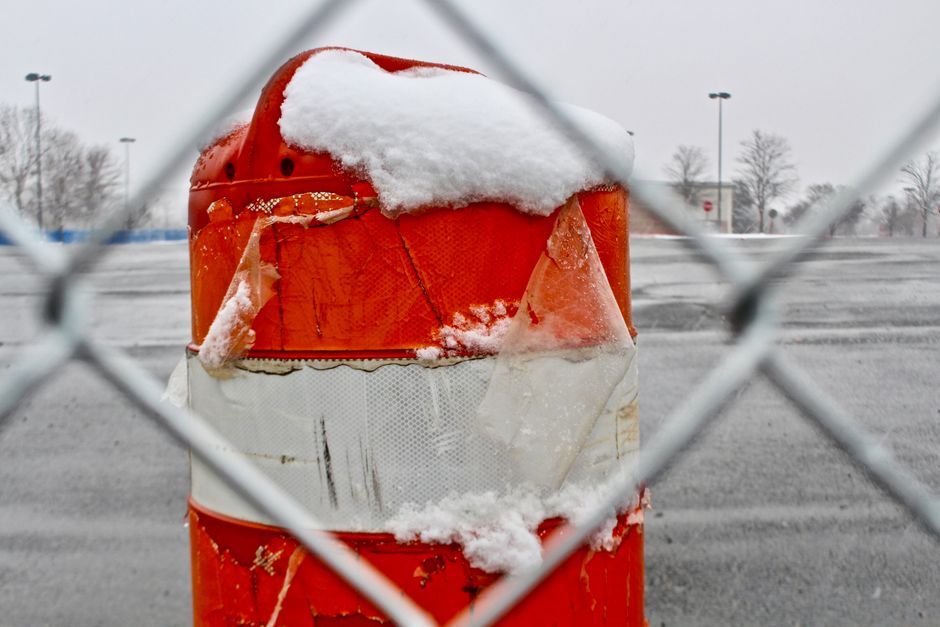
Prompt legal guidance can help preserve maintenance logs, surveillance footage, witness information, and weather records before they disappear.
What Is the Deadline to File an Ice Slip Lawsuit in Pennsylvania?
In Pennsylvania, most slip-and-fall lawsuits must be filed within two years under 42 Pa.C.S. § 5524. Claims involving public entities can have additional notice rules and shorter deadlines. Do not wait to get advice if the fall occurred on property connected to a public housing authority or another government body.
A formal lawsuit can recover:
- Hospital bills from facilities like Temple University Hospital
- Physical therapy, surgery costs, and future medical expenses
- Lost wages and diminished future earning capacity
- Pain, suffering, and emotional distress
For a broader overview of potential claims, visit our Philadelphia Slip and Fall Injury Lawyer page.
Frequently Asked Questions About Landlord Liability for Ice Falls
These questions address common legal concerns for Philadelphia renters injured on icy apartment property.
{ “@context”: “https://schema.org”, “@graph”: [ { “@type”: “Article”, “headline”: “Can I Sue my Landlord if I Fell on Ice Outside my Apartment in Philadelphia?”, “author”: {“@type”: “Person”, “name”: “Jason Fine”}, “publisher”: {“@type”: “Organization”, “name”: “J. Fine Law”} }, { “@type”: “BreadcrumbList”, “itemListElement”: [ {“@type”: “ListItem”, “position”: 1, “name”: “Home”}, {“@type”: “ListItem”, “position”: 2, “name”: “Philadelphia Slip and Fall”}, {“@type”: “ListItem”, “position”: 3, “name”: “Landlord Ice Falls”} ] }, { “@type”: “FAQPage”, “mainEntity”: [ {“@type”: “Question”, “name”: “What if I fell on ice outside my apartment but did not break any bones?”, “acceptedAnswer”: {“@type”: “Answer”, “text”: “You can still pursue a claim if you suffered soft-tissue tears, herniated discs, or concussions without broken bones. Immediate medical documentation can help establish your injuries and related damages.”}}, {“@type”: “Question”, “name”: “Can I sue if the apartment hired an outside snow-removal contractor?”, “acceptedAnswer”: {“@type”: “Answer”, “text”: “Possibly. A snow-removal contractor may have responsibility, but a landlord can still have duties for common areas. The facts, lease terms, contracts, and maintenance history matter.”}}, {“@type”: “Question”, “name”: “Does my lease’s hold harmless or liability waiver prevent me from suing?”, “acceptedAnswer”: {“@type”: “Answer”, “text”: “Not necessarily. Enforceability depends on the wording of the lease and the circumstances. A lawyer can review whether a clause affects a claim involving a landlord’s negligence in common areas.”}}, {“@type”: “Question”, “name”: “Can I sue my landlord for an ice slip if I live in Section 8 housing?”, “acceptedAnswer”: {“@type”: “Answer”, “text”: “Yes. Subsidized housing status does not remove a landlord’s duty to maintain common areas reasonably safely. The key issues remain the condition, notice, and cause of the fall.”}} ] } ] }What if I fell on ice outside my apartment but did not break any bones?
You can still pursue a claim for soft-tissue tears, herniated discs, or concussions. Immediate medical documentation is essential to prove your damages.
Can I sue if the apartment hired an outside snow-removal contractor?
Yes. Landlords retain a non-delegable duty to maintain safe common areas and cannot avoid liability by hiring third-party contractors.
Does my lease’s “hold harmless” or liability waiver prevent me from suing?
Generally, no. Pennsylvania courts routinely hold residential exculpatory clauses unenforceable regarding landlord negligence in common exterior areas.
Can I sue my landlord for an ice slip if I live in Section 8 housing?
Yes. Landlords accepting subsidized housing vouchers must follow standard Pennsylvania premises liability duties.
Take Action on Your Philadelphia Apartment Ice Injury
Fast documentation often matters in a winter fall case because ice, weather conditions, camera footage, and maintenance records can change quickly. J. Fine Law reports more than $50 million in settlements and a 98% success rate.
Contact Attorney Jason Fine today for a free case evaluation.